

EV Software Updates Explained (UAE 2026 Guide)
Modern electric vehicles are more than mechanical machines — they are highly advanced software-driven systems. In 2026, EV performance, safety, and battery efficiency are largely controlled by firmware and digital management systems.
Ignoring software updates is like ignoring maintenance on a traditional engine. It directly impacts performance, efficiency, and long-term reliability.
Why Software Is the Core of Modern EVs
EVs as Computers on Wheels
Unlike petrol vehicles, EVs rely heavily on onboard computers. From throttle response to battery cooling and regenerative braking, nearly every function is software-controlled.
This means improvements can often be delivered digitally rather than mechanically.
The Role of Battery Management Systems
The Battery Management System (BMS) regulates charging speed, temperature control, and cell balancing. Software updates frequently optimize these systems to improve battery lifespan and efficiency.
What EV Software Updates Actually Fix
Battery Optimization and Range Improvements
Manufacturers continuously refine battery algorithms. Updates may improve charge distribution, thermal management, and usable battery capacity — sometimes increasing range noticeably.
Charging Speed Adjustments
Some updates optimize DC fast charging curves, reducing heat buildup and improving charging efficiency.
Safety and Driver Assistance Enhancements
Advanced driver assistance systems (ADAS) depend on software calibration. Updates may improve braking response, lane assist accuracy, and sensor interpretation.
OTA Updates vs Workshop Updates
Over-the-Air Updates
Many modern EVs receive OTA updates via internet connection. These updates install automatically or with driver approval.
When a Physical Service Visit Is Required
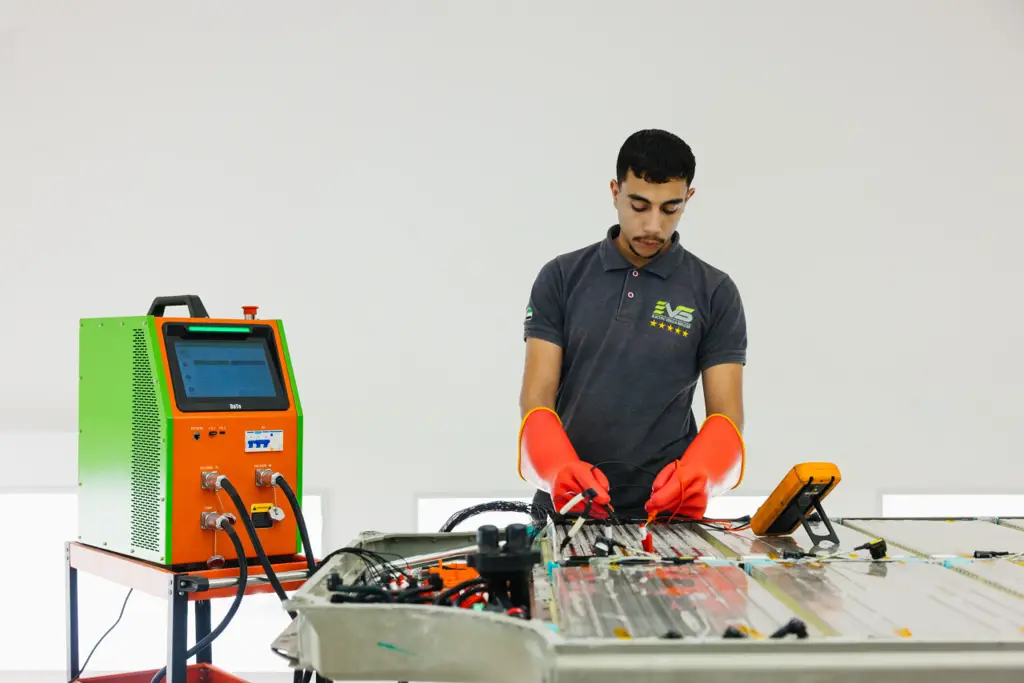
Major firmware revisions, system recalibrations, or battery control updates may require professional equipment available only at certified service centers.
The Risk of Ignoring Software Updates
Reduced Efficiency
Outdated software may cause inaccurate battery readings or inefficient energy usage.
Compatibility Issues
Charging infrastructure evolves. Older firmware may not communicate optimally with newer fast-charging stations.
Safety Vulnerabilities
Software patches often address cybersecurity and system vulnerabilities. Ignoring updates may expose your vehicle to digital risks.
Final Thoughts: Keep Your EV Digitally Healthy
EV ownership in 2026 is not just about mechanical care — it is about digital maintenance.
Regular system updates ensure your vehicle runs efficiently, safely, and at peak performance. UAE drivers should schedule periodic diagnostics to verify all systems are updated and functioning optimally.
At EVS UAE, we provide advanced software diagnostics and update services to keep your EV fully optimized for UAE conditions.
FAQs on EV Software Updates in UAE
Do software updates really improve range?
Yes, many updates refine battery algorithms and charging curves, leading to measurable efficiency gains.
Can I skip updates if the car feels fine?
Not recommended. Some updates address hidden performance or safety issues.
Are updates free?
OTA updates are often free. Workshop updates may depend on warranty or service plan.
How often should I check for updates?
At least every 6–12 months or during routine diagnostics.